AC Technician Interview Questions and Answers PDF (25 Questions + Salary Guide)
If you are preparing for an AC technician job interview, knowing the most common questions can help you succeed. HVAC companies and maintenance firms often ask technical and practical questions to test your knowledge about air conditioning systems, troubleshooting, safety, and installation.
In this guide, we provide the top 25 AC technician interview questions and answers along with a free downloadable PDF. Whether you are a fresher or an experienced HVAC technician, these questions will help you prepare confidently for interviews.
📄 Download AC Technician Interview Questions PDF
Top 25 AC Technician Interview Questions and Answers
1. What does an AC technician do?
AC technicians specialize in installing, maintaining, and troubleshooting air conditioning systems to keep them running efficiently. Their responsibilities include inspecting HVAC units, diagnosing problems, replacing faulty components, and ensuring efficient cooling performance.
2. What are the main components of an air conditioner?
The cooling process in an AC system depends on important elements like the compressor, condenser coil, evaporator coil, expansion valve, and refrigerant working together.
3. What is refrigerant?
Refrigerant is a chemical fluid used in air conditioning systems to absorb heat from indoor air and release it outside, helping cool the room efficiently.Common refrigerants include R22, R410A, and R32.
4.Why is the compressor an important component in an AC system?
The compressor compresses the refrigerant gas and increases its pressure and temperature before sending it to the condenser.
5. What is the condenser?
The condenser releases heat absorbed from inside the room to the outside environment.
6. What is an evaporator coil?
The evaporator coil helps cool the room by absorbing heat from indoor air, which allows the refrigerant inside the coil to evaporate and reduce the air temperature.
7. What is HVAC?
HVAC represents Heating, Ventilation, and Air Conditioning, the systems responsible for maintaining comfortable indoor environments. It refers to systems used for indoor climate control.
8. What tools does an AC technician use?
Common tools include manifold gauges, multimeters, vacuum pumps, refrigerant recovery machines, leak detectors, and screwdrivers.
9. What causes AC not to cool properly?
Common reasons include low refrigerant levels, dirty condenser coils, blocked air filters, faulty compressors, or thermostat problems.
10. What is a thermostat?
A thermostat controls the temperature by regulating the cooling cycle of the air conditioner.
11. What is superheat?
Superheat refers to the temperature increase of refrigerant gas above its boiling point after leaving the evaporator.
12. What is subcooling?
Subcooling is the temperature decrease of refrigerant liquid below its condensation temperature.
13. How do you detect refrigerant leaks?
Technicians use leak detectors, soap bubble tests, or UV dye methods to identify refrigerant leaks.
14. What safety precautions should AC technicians follow?
Technicians must wear protective gloves, avoid refrigerant exposure, disconnect power before servicing, and follow electrical safety procedures.
15. What is preventive maintenance?
Preventive maintenance includes cleaning filters, checking refrigerant levels, inspecting wiring, and ensuring proper airflow to prevent breakdowns.
16. What is a split AC system?
A split AC has two units: an indoor unit containing the evaporator and an outdoor unit containing the compressor and condenser.
17. What is a window AC?
A window AC combines all its components in one compact unit that can be installed in a window or wall.
18. What is BTU?
BTU stands for British Thermal Unit and represents the level of cooling performance provided by an air conditioner.
19. What causes compressor failure?
Compressor failure can occur due to overheating, electrical faults, low refrigerant levels, or poor maintenance.
20. What is airflow in HVAC?
Airflow refers to the movement of air through ducts and vents to distribute cooled air evenly.
21. How often should AC filters be cleaned?
Filters should be cleaned every 1–2 months depending on usage and environmental conditions.
22. What is a capacitor in an AC?
A capacitor stores electrical energy and helps start the compressor and fan motors.
23. What is ducting?
Ducting refers to the system of ducts that distributes cooled air throughout a building.
24. What are common AC troubleshooting steps?
Check power supply, inspect thermostat settings, clean air filters, inspect refrigerant levels, and examine electrical connections.
25. Why should we hire you as an AC technician?
You should highlight your technical skills, experience in HVAC systems, problem-solving ability, and commitment to safety and quality work.
AC Technician Salary in India
The salary of an AC technician depends on experience, location, and company.
Fresher: ₹10,000 – ₹15,000 per month
n India, AC technicians with 1–3 years of experience can expect an average monthly salary of ₹15,000 to ₹25,000, depending on skills and location.
5+ Years Experience: ₹30,000+ per month
Overseas HVAC Jobs: ₹80,000 – ₹2,00,000 per month
Also read our AC Technician Salary Guide for detailed salary insights.
Apply for AC Technician Jobs
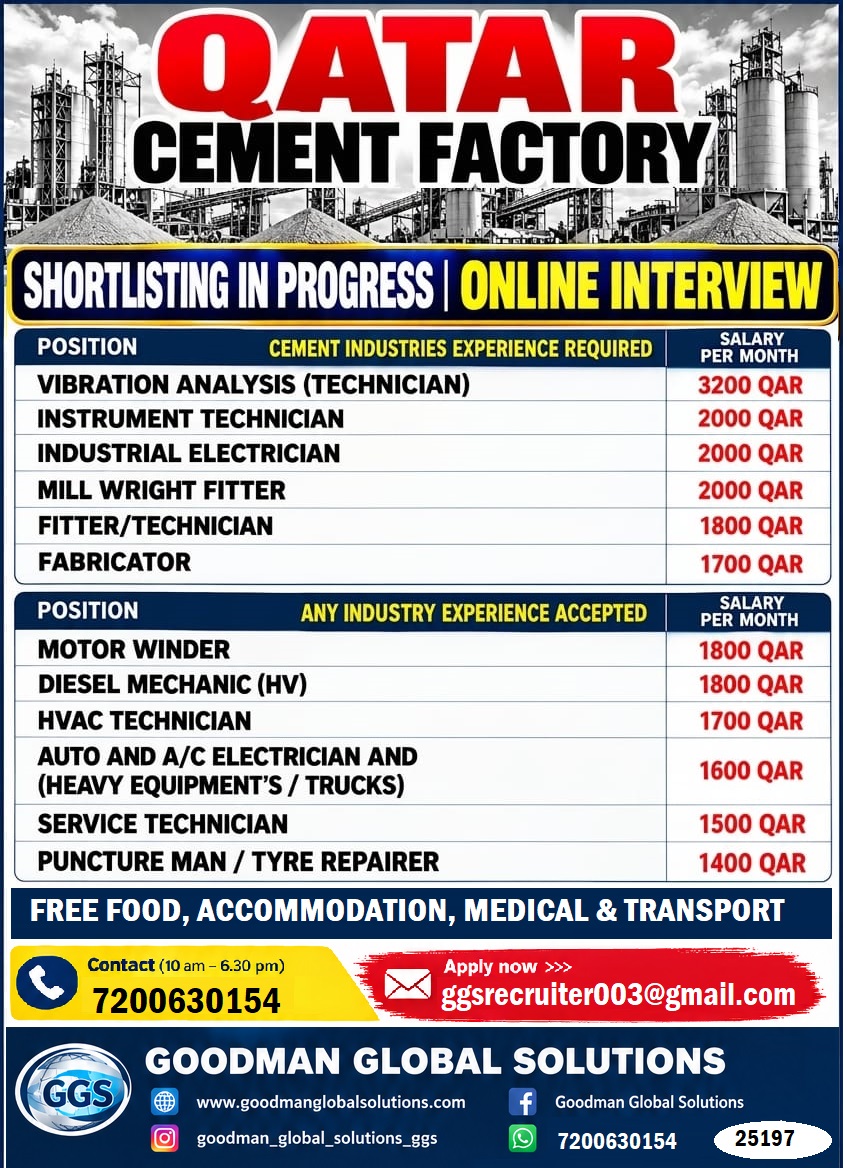
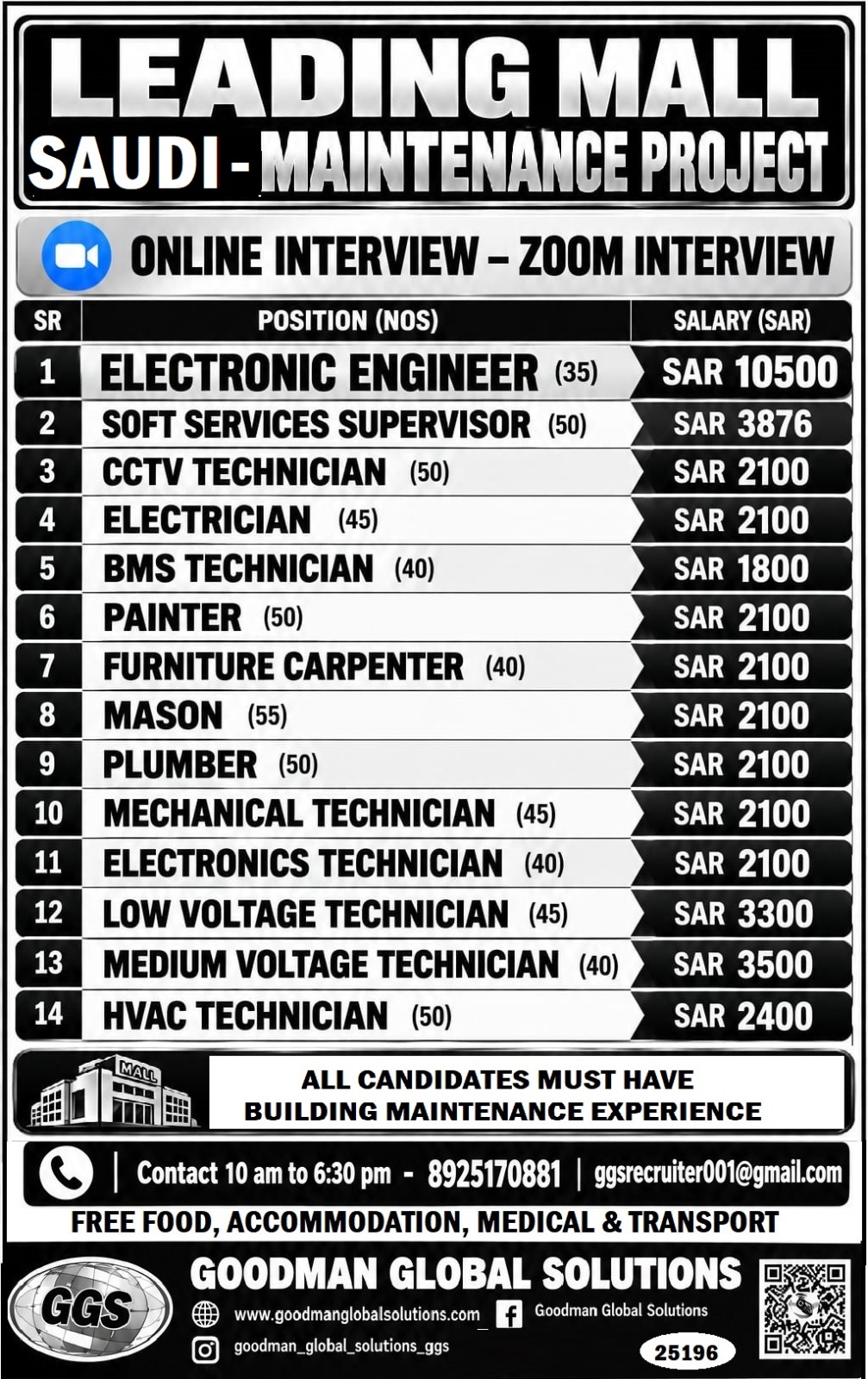
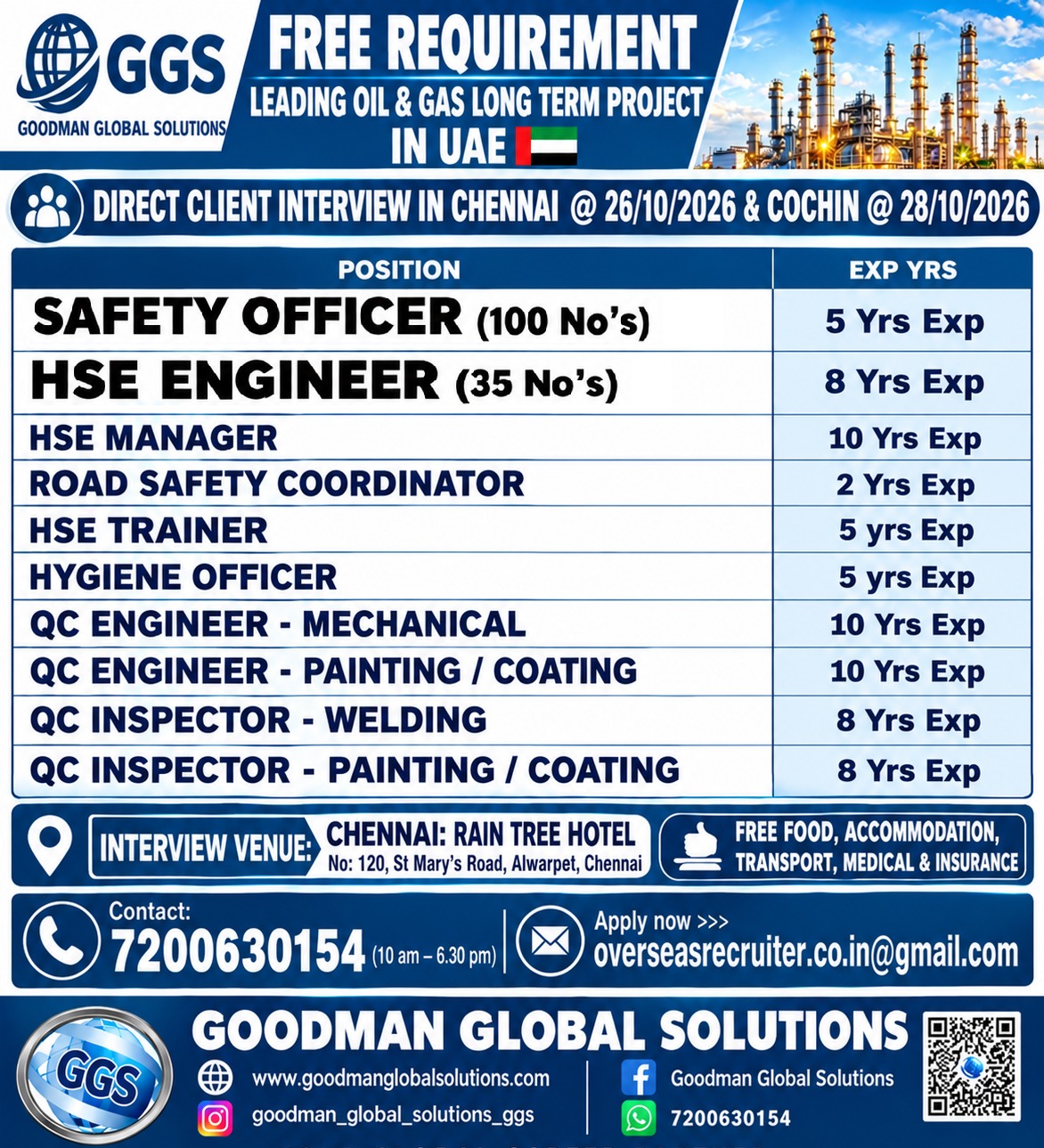
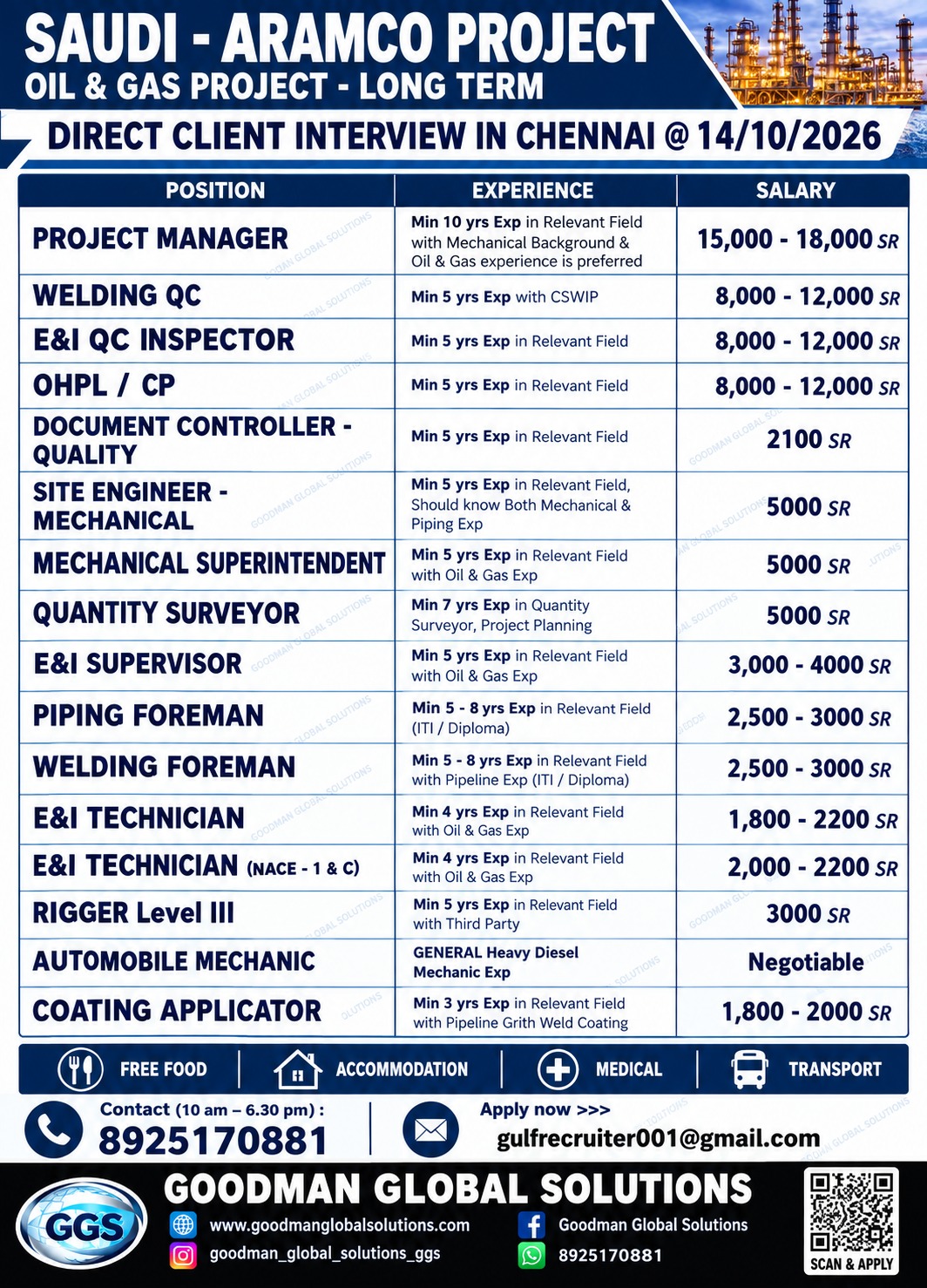
Looking for AC technician job openings? Many HVAC companies conduct walk-in interviews regularly.
👉 Check the latest AC Technician Walk-in Interviews and apply today.
⬇ Download AC Technician Interview Questions PDF
How to Prepare for an AC Technician Interview
Review basic HVAC concepts.
Understand air conditioner components.
Practice troubleshooting problems.
Learn safety standards.
Prepare answers for common interview questions.




Leave a Reply